The Future of Sustainable Farming Starts with Measuring Soil Biology
- Get link
- X
- Other Apps
Modern agriculture faces significant challenges, including rising input costs, unpredictable weather patterns, and increasing pressure to adopt sustainable practices. While technology has transformed many aspects of farming, one area has often remained difficult to measure: soil biology.
The organisms living beneath the soil surface are responsible for driving many of the processes that support healthy crops. Bacteria and fungi help cycle nutrients, improve soil structure, and contribute to long-term productivity. Yet for years, growers lacked practical tools to monitor these biological indicators in the field.
Understanding the Soil Food Web
The soil food web consists of billions of microorganisms working together to create a thriving ecosystem. When these microbial communities are healthy, they support nutrient availability, water retention, and plant vigor. Conversely, depleted microbial populations can limit crop performance and soil resilience.
Monitoring microbial biomass provides valuable insight into the overall condition of the soil ecosystem. Studies have identified microbial biomass as a leading indicator of soil health, making it an essential metric for growers seeking long-term sustainability.
Bringing Soil Biology Into the Field
Historically, biological soil testing required sending samples to specialized laboratories. This process was often costly and time-consuming, making routine monitoring impractical for many operations.
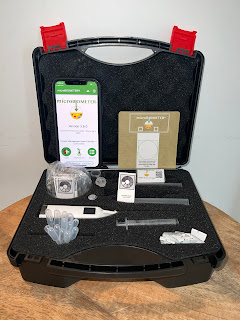
Innovations from microBIOMETER® have changed that by providing rapid, field-based testing that measures microbial biomass and fungal-to-bacterial ratios through a smartphone-enabled platform. Growers can collect samples, analyze results, and track trends without waiting weeks for laboratory reports.
Data-Driven Soil Management
The ability to generate biological data quickly enables farmers to evaluate management practices more effectively. Whether implementing cover crops, compost applications, grazing strategies, or reduced tillage systems, growers can measure how these changes influence microbial activity.
Benefits of routine biological monitoring include:
- Faster evaluation of soil health initiatives.
- Improved understanding of field variability.
- Better allocation of resources and inputs.
- Increased confidence in regenerative farming practices.
Building Resilient Agricultural Systems
Sustainable farming depends on creating resilient soils that can withstand environmental pressures while maintaining productivity. Soil biology plays a central role in this process by supporting nutrient efficiency, improving water management, and enhancing ecosystem function.
As more producers adopt regenerative practices, the demand for practical biological monitoring tools will continue to grow. Affordable and accessible technologies are helping bridge the gap between soil science and everyday farm management.
Conclusion
The future of sustainable agriculture is rooted in understanding the living component of soil. Measuring microbial activity provides growers with actionable insights that support better decision-making and long-term soil stewardship.
By integrating biological testing into regular soil management programs, farmers can move beyond assumptions and make informed choices that strengthen productivity, profitability, and environmental sustainability.
- Get link
- X
- Other Apps

Comments
Post a Comment