How to Test Soil Health with a Soil Test Kit
Testing your soil doesn't have to be complicated or expensive. Using a soil health test kit is actually pretty straightforward once you know what you're doing, and it can tell you a lot about what's happening underground in your garden.
Why test your soil in the first place?
Most people think healthy soil just means
"dirt that grows plants," but there's so much more going on down
there. Your soil is full of tiny living things - bacteria, fungi, and other
microbes - that help plants get nutrients and stay healthy.
When you test your soil, you're basically
checking on this underground ecosystem. Are there enough good microbes? Is the
balance right? This information helps you figure out what your soil needs.
What makes a good soil health test kit?
Not all test kits are the same. The really
useful ones look at microbial activity, not just basic things like pH (though
that's important too).
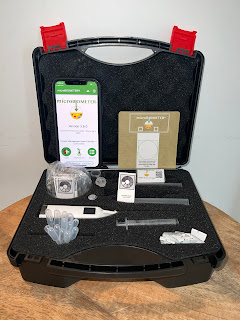
The microBIOMETER® PRO kits are pretty neat
because they actually measure the living stuff in your soil - the microbial
biomass and the ratio between fungi and bacteria. You can see results right on
your smartphone, which is pretty cool.
How to Conduct Soil Testing
Collect Your Soil Sample
This part is more important than most
people think. You want to get a good representative sample:
- Take soil from 2-6 inches deep
- Avoid spots right after watering or rain
- Collect from multiple spots in your garden and mix them
together
- Remove any obvious debris like sticks or stones
Know When to Test Soil
Don't test right after:
- Heavy rain or watering
- Fertilizing
- Adding compost or amendments
Wait at least a week after any major soil disturbance
for the most accurate results.
Steps to Use a Soil Health Test Kit
Most modern soil health test kits follow a
similar process:
Step 1: Prepare your sample
Mix your soil with the solution that comes
in the kit. This usually involves adding a specific amount of soil to a test
tube with the provided liquid.
Step 2: Wait and shake
Most kits need you to let the mixture sit
for a bit, then shake it up. This helps extract the microbes from the soil
particles.
Step 3: Take the measurement
With something like the microBIOMETER® PRO,
you use your smartphone camera to analyze the sample. The app does all the hard
work of interpreting what it sees.
What the Soil Test Results Mean
Microbial biomass
This tells you how much living stuff is in your
soil. More is generally better - it means your soil has a healthy, active
community of microbes.
Fungal to bacterial ratio
Different plants like different balances.
Vegetables and annual flowers usually prefer more bacteria, while trees and
perennials often do better with more fungi.
Different Soil Test Kit Options for Different
Needs
For educators: microBIOMETER® PRO
Classroom Kit
If you're teaching, these come in larger
quantities - 30, 60, or 100 tests. Perfect for getting a whole class involved in
soil science. These can only be shipped to schools and universities though.
For home gardeners: microBIOMETER® PRO
20-Test Starter Kit
This gives you enough tests to check
different areas of your garden throughout the growing season. It comes in a
nice reusable box, so you can keep everything organized.
Once you have your numbers, what do you do
with them?
Low microbial activity? Your soil might need more organic matter. Think compost, mulch, or
cover crops.
Wrong fungal/bacterial balance? You can adjust this by choosing different types of compost or
amendments. Compost made from woody materials tends to boost fungi, while green
compost helps bacteria.
Common Mistakes to Avoid When Testing
Soil
- Testing too soon after rain
- Not mixing samples from different spots
- Ignoring the timing recommendations
- Testing only once and thinking that's enough
Soil changes throughout the year, so
testing multiple times gives you a better picture.
Get the Most from Your Soil Health Test
Kit
Keep records
Write down your results and what you did to
improve your soil. This helps you track progress over time.
Test different areas
Your vegetable garden might have very
different soil than your flower beds or lawn areas.
Learn as you go
If you're new to this stuff, the
"Teaming with Microbes" book is actually really helpful. It explains
how all this underground activity works in simple terms.
Using a soil health test kit
isn't rocket science, but it does give you real information you can use to
improve your garden.

Comments
Post a Comment