The Future of Gut Health: 2026 Microbiome Trends Reshaping Wellness
The conversation around gut health has evolved far beyond digestion. In 2026, the microbiome is becoming central to discussions about immunity, mental wellness, metabolism, skin health, and even healthy aging. As research accelerates, consumers are moving away from generic probiotic trends and embracing evidence-based, personalized gut wellness strategies.
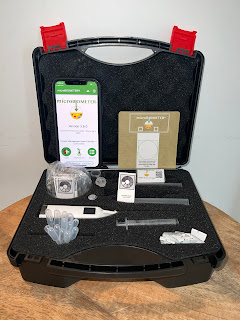
For companies like Microbiometer, this shift represents a major opportunity to educate users about the power of tracking and understanding microbial balance.
Why the Gut Microbiome Matters More Than Ever
Scientists now recognize the gut microbiome as a complex ecosystem containing trillions of microorganisms that influence nearly every system in the body. Emerging studies show strong links between gut bacteria and conditions such as obesity, type 2 diabetes, immune dysfunction, inflammation, and cognitive health.
What makes 2026 different is the rise of precision microbiome science. Researchers are no longer just studying whether bacteria exist — they are identifying which strains support long-term health and which may contribute to disease risk. One major study analyzed over 34,000 microbiome samples and identified 100 bacterial species linked to metabolic and heart health outcomes.
The Biggest Gut Health Trends of 2026
1. Personalized Gut Testing
Consumers are demanding personalized wellness insights instead of one-size-fits-all supplements. At-home microbiome testing is becoming increasingly mainstream as people seek customized recommendations based on their unique bacterial profile.
This growing demand is also pushing companies to improve testing accuracy and user-friendly reporting systems.
2. The Gut-Brain Connection
One of the strongest wellness movements in 2026 is the focus on the gut-brain axis. Researchers are exploring how gut bacteria influence mood, stress response, sleep quality, and cognitive performance.
Consumers are now viewing gut health as part of a broader mental wellness strategy rather than simply a digestive issue.
3. Fiber Is Replacing Fad Supplements
While probiotics remain popular, fiber-rich nutrition is gaining more scientific credibility. Experts increasingly emphasize diverse plant-based foods, resistant starches, and prebiotic fibers as essential fuel for beneficial gut bacteria.
The modern gut health movement is shifting toward sustainable dietary habits instead of quick-fix supplement marketing.
4. AI-Powered Microbiome Analysis
Artificial intelligence is transforming microbiome research by helping scientists analyze massive sequencing datasets more effectively. AI tools can identify hidden microbial patterns that traditional analysis often misses.
This technology may soon enable highly personalized health recommendations based on microbiome behavior, genetics, and lifestyle factors.
5. Greater Demand for Scientific Transparency
Consumers are becoming more educated and skeptical about exaggerated gut health claims. Several recent studies have highlighted inconsistencies among direct-to-consumer microbiome testing services.
As a result, brands that prioritize scientific validation, transparent methodologies, and educational content are gaining trust in the marketplace.
What This Means for the Future of Wellness
Gut health is no longer a niche topic reserved for nutrition enthusiasts. It is becoming a foundational part of preventive healthcare and personalized wellness. Researchers believe microbiome science could eventually help predict disease risk years before symptoms appear.
At the same time, experts continue to stress the importance of balanced expectations. While microbiome research is advancing rapidly, the science is still evolving, and responsible education remains critical.
For consumers, the future of gut health will likely involve a combination of:
- Personalized microbiome tracking
- Evidence-based nutrition
- Lifestyle optimization
- AI-assisted health insights
- Long-term preventive care
Final Thoughts
The microbiome industry is entering a new era defined by personalization, scientific rigor, and whole-body wellness. Companies that empower users with accurate data, educational tools, and practical health insights will help shape the next generation of preventive healthcare.
As research continues to uncover the profound impact of gut bacteria on overall health, understanding your microbiome may soon become as common as tracking sleep, fitness, or heart rate.

Comments
Post a Comment