Soil fertility plays a crucial role in agricultural productivity and environmental sustainability. Healthy soil provides essential nutrients, supports beneficial microorganisms, and helps crops grow stronger and more resilient. Farmers, gardeners, and agricultural professionals increasingly recognize the importance of monitoring soil conditions to maintain optimal soil fertility and ensure long-term land productivity.
One of the key factors that influences soil fertility is the presence of beneficial microorganisms. These microscopic organisms help break down organic matter, release nutrients, and improve soil structure. When soil contains a healthy microbial community, plants can absorb nutrients more efficiently, resulting in better crop yields and improved plant health. However, soil conditions can change over time due to farming practices, environmental factors, and chemical use. That is why regular soil testing has become an important step in modern agriculture.
Soil testing helps identify the biological activity within the soil. By measuring microbial presence and soil conditions, farmers can gain valuable insights into how their soil functions. Understanding these factors allows them to adjust farming techniques, add organic matter when necessary, and adopt practices that promote healthier soil ecosystems. As a result, maintaining soil fertility becomes a more manageable and strategic process.
Another important aspect of improving soil fertility is adopting sustainable farming practices. Crop rotation, reduced chemical usage, organic composting, and cover cropping are some common techniques used to support soil health. These practices encourage microbial activity and help maintain the natural balance of nutrients within the soil. When soil ecosystems remain balanced, crops benefit from improved nutrient availability and stronger root development.
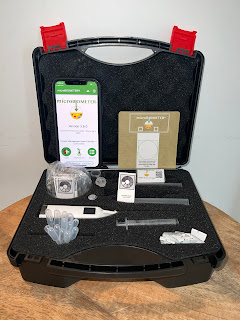
Technology has also played a major role in helping farmers monitor soil fertility more effectively. Advanced soil analysis tools now allow growers to evaluate soil conditions more easily and make informed decisions about land management. With the right data, farmers can determine which areas of their fields need improvement and take targeted actions to restore soil vitality.
Improving soil fertility is not only beneficial for crop production but also for the environment. Healthy soils store carbon, retain water more efficiently, and reduce the risk of erosion. These environmental benefits make soil management a critical part of sustainable agriculture and climate-friendly farming practices.
In today’s agriculture landscape, maintaining soil fertility requires a combination of proper knowledge, responsible farming methods, and reliable soil analysis. By regularly assessing soil health and supporting microbial activity, farmers can create productive and sustainable growing conditions. This approach ensures that soil remains fertile, crops grow successfully, and agricultural land continues to support food production for future generations.


Comments
Post a Comment