How a Soil Health Test Kit Saves Money and Protects the Environment
Farming costs keep rising every year. Fertiliser prices have reached record highs, and environmental rules are getting stricter. Smart farmers need tools that save money and protect nature.
A
soil health test kit does both jobs
perfectly. It shows farmers exactly what their soil needs and prevents waste
that hurts the environment.
Saves Money on Fertilizer Costs
Fertilizer
costs eat up huge chunks of farming budgets. Without testing, farmers guess
what their soil needs. This leads to buying too much or the wrong types of
fertilizer.
Professional
soil testing saves money by avoiding unnecessary fertilizer and lime purchases.
Testing shows exactly which nutrients are missing and which are already
abundant.
Professional
lab soil tests cost money upfront, but farmers recoup costs and save even more
with bountiful harvests. The return on investment appears quickly in better
yields.
Prevents Over-Application Problems
Too
much fertilizer hurts crops instead of helping them. Over-fertilized plants
grow weak and attract more pests. This creates bigger problems that cost even
more money to fix.
Soil
testing serves as the best guide available for determining nutrient needs for
growing crops. It takes the guesswork out of fertilizer decisions.
Soil health test kits show when the soil has enough nutrients already. This prevents
expensive over-application that wastes money and damages plant health.
Reduces
Environmental Impact
Excess
fertilizer doesn't disappear when plants can't use it. It washes into rivers
and streams, causing water pollution that hurts fish and wildlife.
Healthy
soil gives clean air and water, bountiful crops, productive grazing lands,
diverse wildlife, and beautiful landscapes. Testing helps maintain this natural
balance.
Soil health test kits prevent nutrient runoff by ensuring farmers apply only what crops
actually need. This protects local water sources from contamination.
Improves
Crop Yields
Healthy
soil produces bigger harvests. Testing reveals problems before they reduce
yields. Early detection saves entire growing seasons from poor performance.
Soil
testing addresses nutrient deficiencies, poor plant growth, hard-to-manage
weeds, low crop yields, poor quality forages, and irregular plant growth. These
problems cost farmers significant income losses.
A
soil health test kit identifies the
root causes of yield problems. This allows targeted solutions instead of
expensive trial-and-error approaches.
Supports
Sustainable Farming
Sustainable
farming practices reduce long-term costs while protecting natural resources.
Testing guides these environmentally-friendly approaches that save money over
time.
Soil
health practices make orchards more productive while providing environmental
benefits like better air and water quality and lower climate emissions.
Sustainability and profitability work together.
Soil health test kits help farmers build soil organic matter naturally. Healthy soil holds
more water and nutrients, reducing irrigation and fertilizer costs.
Tax
Benefits Available
Farmers
who purchased or inherited agricultural land in the past three years can deduct
soil fertility costs as input expenses under IRS Section 180. This tax benefit
reduces testing costs significantly.
Business
owners should consult tax professionals about deducting soil health test kit expenses. Many testing costs qualify as
legitimate business deductions.
Easy
to Use Modern Options
Today's
soil testing technology makes the process simple and fast. Farmers can get
results quickly without waiting weeks for lab reports.
Modern
soil test kits offer professional analysis and custom fertilizer
recommendations with complete instructions for collecting samples.
User-friendly designs make testing accessible to all farmers.
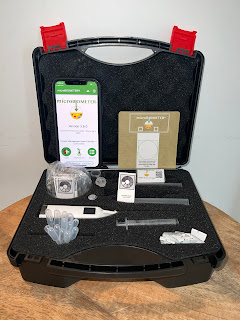
Soil health test kits now include smartphone apps and digital tools that track results over
time. This helps farmers see long-term trends and improvements.

Comments
Post a Comment