The Future of Arbuscular Mycorrhizal Fungi in Regenerative Agriculture
Modern agriculture is rapidly shifting toward soil-first farming, and one of the biggest conversations in 2026 revolves around Arbuscular Mycorrhizal Fungi (AMF). These beneficial fungi are becoming essential for growers focused on sustainability, nutrient efficiency, and long-term soil resilience. According to recent agricultural research, AMF improves nutrient uptake, supports drought tolerance, and strengthens soil ecosystems naturally. (Springer)
At MicroBiometer, soil biology is more than a trend — it is the foundation of regenerative success. As farmers and gardeners increasingly adopt biological farming practices, understanding fungal activity in soil has become a major priority.
Why AMF Matters More Than Ever
Arbuscular mycorrhizal fungi create symbiotic relationships with plant roots. These underground fungal networks extend the plant’s ability to absorb phosphorus, nitrogen, magnesium, and micronutrients from the soil. Research also highlights their role in improving plant stress resistance and enhancing soil aggregation. (MicroBiometer)
One of the latest trends in regenerative agriculture is reducing dependency on synthetic fertilizers while improving microbial diversity. AMF plays a key role in this transition because excessive chemical fertilizer use can suppress fungal colonization in soil. (MicroBiometer)
The Rise of Soil Biology Monitoring
In recent years, growers have started paying closer attention to measurable soil biology rather than relying solely on NPK testing. Soil microbial analysis now helps producers track fungal-to-bacterial balance and evaluate regenerative progress.
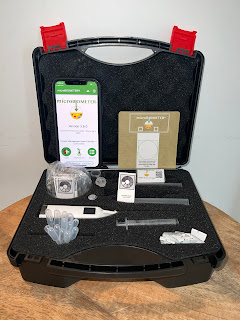
MicroBiometer provides advanced soil biology testing solutions that help farmers, researchers, compost producers, and regenerative growers better understand microbial activity. Their technology makes it easier to monitor beneficial fungi and improve soil management strategies naturally.
AMF and Climate-Smart Farming
Climate-smart agriculture is another growing trend linked directly to mycorrhizal fungi. Studies suggest AMF can improve water retention, support carbon sequestration, and increase crop resilience during drought conditions. (Frontiers)
As regenerative farming continues expanding worldwide, AMF is no longer considered a niche topic. It is becoming one of the most valuable biological tools for improving soil performance while reducing environmental impact.
Farmers who understand soil microbiology today are positioning themselves for stronger, healthier, and more sustainable crop production tomorrow.
How Arbuscular Mycorrhizal Fungi Are Changing Modern Soil Health Strategies
Soil health has become one of the biggest agricultural priorities in 2026, and Arbuscular Mycorrhizal Fungi (AMF) are leading the conversation. From regenerative farms to commercial crop systems, growers are increasingly exploring biological soil solutions that improve productivity while reducing chemical dependency.
Research continues to show that AMF forms mutually beneficial relationships with over 80% of plant species, helping plants access nutrients and tolerate environmental stress more efficiently. (MicroBiometer)
At MicroBiometer, the focus is on helping growers better understand the living biology inside their soil through innovative microbial testing tools and education.
The Shift Toward Biological Farming
One of the latest agricultural trends is the movement away from heavy synthetic inputs toward biology-driven crop management. Growers are now prioritizing microbial diversity, soil carbon, and fungal activity to create more resilient farming systems.
AMF contributes significantly to this process by extending root systems through microscopic fungal networks called hyphae. These networks improve nutrient uptake and help plants tolerate drought, salinity, and soil stress naturally. (MicroBiometer)
Recent discussions in regenerative agriculture communities also highlight growing interest in microbial inoculants, soil microbiome testing, and fungal monitoring technologies. (Reddit)
Why Soil Testing Is Becoming Essential
Modern regenerative growers no longer want guesswork when managing soil biology. They want measurable insights into fungal and bacterial populations to guide better decisions.
MicroBiometer helps users evaluate microbial balance quickly and efficiently, making it easier to monitor the impact of compost, cover crops, biological amendments, and AMF inoculation programs.
Understanding fungal-to-bacterial ratios is especially important because healthy fungal networks are strongly connected to nutrient cycling and long-term soil structure. (MicroBiometer)
The Future of Sustainable Agriculture
As climate challenges and input costs continue rising, biological farming practices are becoming more important than ever. AMF is now recognized as a powerful component of sustainable agriculture because it supports healthier crops, stronger soil ecosystems, and improved nutrient efficiency.
The future of farming is increasingly focused on soil biology, and companies like MicroBiometer are helping lead that transformation through science-backed microbial testing and regenerative soil education.

Comments
Post a Comment