Soil Testing for Climate Action: What You Can Do
Climate change feels overwhelming. We hear about melting ice caps and rising temperatures, and it seems like only world leaders can make a real difference. But what if I told you that your backyard holds surprising power?
The soil beneath our feet is one of nature's best
tools for fighting climate change. It quietly stores massive amounts of carbon,
keeping it out of the atmosphere. And the best part? You can help make this
process even better.
Understanding Soil's Role in Climate
Change
Soil is basically a giant carbon storage system.
Scientists have found that healthy soil holds more carbon than all the forests
and plants on Earth combined. That's billions of tons of carbon safely stored
underground instead of warming our planet.
Here's what happens: plants pull carbon dioxide
from the air through photosynthesis. When plants die or drop leaves, that
carbon goes into the soil. Soil microbes then break down this material
and lock the carbon underground where it can stay for decades or even
centuries.
What Makes Soil Healthy?
Healthy soil is alive. It contains billions of
tiny organisms working around the clock. These include bacteria, fungi,
protozoa, and other microscopic creatures that form a complex underground
ecosystem.
Microbial biomass refers to all
these living organisms combined. The more microbial life your soil has, the
better it performs. They break down dead plant material and animal waste. They
build soil structure that holds water during droughts. And most importantly for
climate action, they capture and store carbon.
How Soil Testing Helps You Take Action?
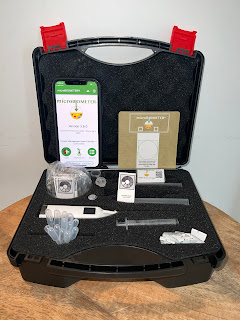
You can't improve what you don't measure. Soiltesting for climate action gives you concrete data about what's happening
underground. It shows you the current state of your soil's health and its
carbon-capturing ability.
Testing reveals your soil's microbial biomass
levels. High numbers mean your soil is actively storing carbon. Low numbers
mean there's room for improvement. You also learn about the fungal to
bacterial ratio, which affects how long carbon stays locked in the ground.
Simple Steps to Improve Your Soil
Stop Tilling and Digging
Every time you disturb soil with a tiller or
shovel, you destroy microbial networks. These organisms build complex
underground structures that help them work efficiently. Breaking these
structures sets them back to square one.
Add Organic Matter Regularly
Microbes need food to survive and multiply.
Organic matter like compost, mulch, or leaf litter provides this food. When you
add these materials to your soil, you're basically feeding billions of helpful
organisms.
Plant Cover Crops
Bare soil is a missed opportunity. When ground
sits empty between growing seasons, microbes starve and carbon escapes. Cover
crops solve this problem by keeping living roots in the soil year-round.
Reduce Chemical Use
Synthetic fertilizers and pesticides can harm
beneficial microbes. While they might boost plant growth in the short term,
they often damage the soil ecosystem that supports long-term health.
Conclusion
Pick one area to focus on first. Maybe it's your
vegetable garden, your front lawn, or a few raised beds. Test that area to
establish your baseline numbers.
Choose one or two practices to implement. Don't
try to change everything at once. Start with something simple like adding
compost or reducing how often you dig. Small consistent changes produce better
results than dramatic overhauls.

Comments
Post a Comment